
Struggling with how to floss with braces in Rocky Point, NY? You’re not alone! Braces make cleaning your teeth a bit more challenging. This guide explains why flossing with braces is so important, the best tools to make it easier, and step-by-step instructions to perfect your technique.
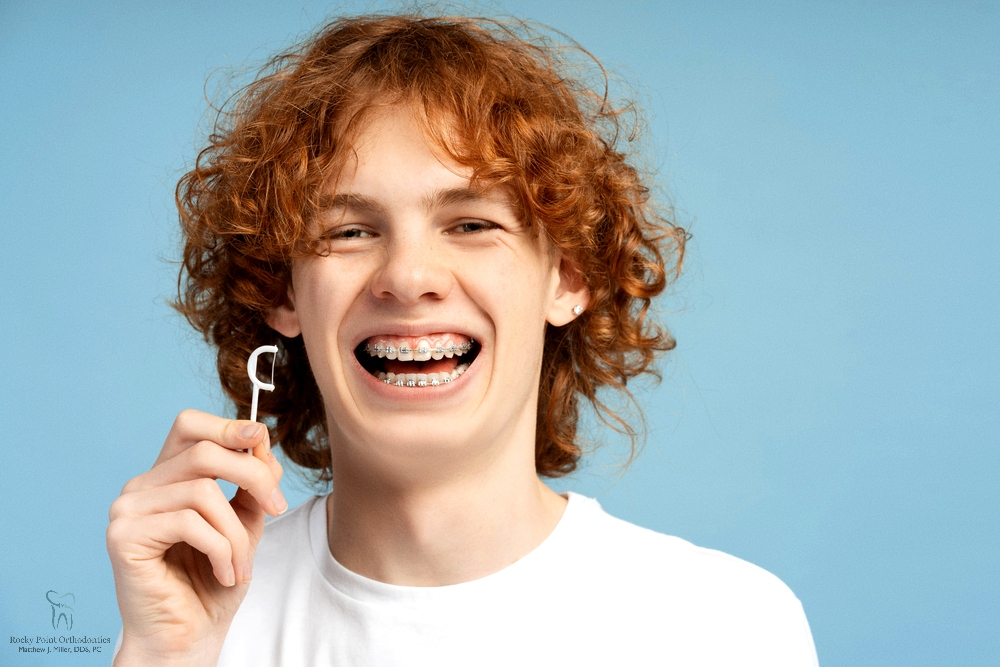
Why Flossing with Braces Is Essential
Braces straighten your teeth, but they also make it harder to clean them. Tiny spaces around wires and brackets collect food particles and plaque. If not removed, this buildup can turn into tartar, which causes tooth decay, gum disease, and other problems. Flossing daily helps clean areas that brushing misses and keeps your braces working as they should. Without flossing, plaque can harm your teeth, gums, and treatment progress.
Best Tools to Help You Floss with Braces
Flossing with braces can be tricky, but the right tools make the job easier. Here’s a list of the most effective options:
Floss Threaders
A floss threader works like a needle by guiding floss under the archwire. This tool allows you to clean between teeth without damaging your brackets. Many orthodontists, including Rocky Point Orthodontics, recommend floss threaders to their patients as they’re affordable and easy to use.
Water Flossers
A water flosser or oral irrigator sprays water between teeth and around brackets to remove plaque and food debris. Water flossing is great for patients with sensitive gums or who find traditional flossing difficult. Brands like Waterpik are especially popular for braces care as they clean areas string floss can’t reach.
Superfloss
Superfloss is a pre-cut floss that combines stiff ends for threading and spongy sections for cleaning. It’s designed to work well with braces, making it easier to remove plaque around wires and brackets.
Interdental Brushes (Proxabrushes)
A proxabrush is a small brush that fits between teeth and braces. It can reach spots that floss might miss and is easy to use for quick cleaning. These brushes are excellent for removing plaque buildup and food particles.
Floss Picks
Floss picks feature a handle and a pre-threaded floss strand. They’re ideal for those who find traditional floss inconvenient. Floss picks help clean between teeth quickly and effectively, making them a great choice for busy patients with braces.
Where to Buy Flossing Tools
These flossing tools, including threaders, water flossers, proxabrushes, and floss picks, are available online, at pharmacies, or in dental care sections of grocery stores. Orthodontic clinics, like Rocky Point Orthodontics, may also provide starter kits with the tools you need to maintain a proper oral hygiene routine.
Flossing with Braces: Easy Step-by-Step Guide
Flossing with braces takes patience, but with the right steps, it becomes a simple habit.
Step 1: Prepare Your Floss
Start by cutting 18 inches of floss. Use a threader to guide the floss under the archwire. Pull it through completely before cleaning any teeth. Hold both ends tight so the floss stays steady while you work. Take your time to make sure the floss slides smoothly without hurting your gums.
Step 2: Floss Each Tooth
Wrap the floss around one tooth in a “C” shape. Gently slide it up and down along the sides of the tooth and just beneath the gum line. Avoid snapping or sawing motions to protect your gums from irritation or damage.
Step 3: Use a Water Flosser for Added Cleaning
For extra cleaning, consider using a water flosser. Focus the stream on hard-to-reach areas, such as the spaces around the brackets and back teeth. Adjust the flosser’s pressure to what feels comfortable for your gums.
Step 4: Brush Thoroughly
After you’re done flossing, brush your teeth using a soft-bristle toothbrush and fluoride toothpaste. Pay extra attention to brackets and wires. Finish by rinsing with fluoride mouthwash to fight bacteria and improve overall oral health.
Tailoring Flossing Techniques Based on Your Braces
Different braces may need slightly different flossing approaches:
- Metal Braces: Be patient and take your time threading floss under wires.
- Clear Braces: Use gentle motions to avoid damaging the clear brackets.
- Lingual Braces: These braces are attached behind your teeth, so tools like a water flosser or proxabrush can help you clean hard-to-reach areas.
- Self-Ligating Braces: These have fewer parts but still require thorough cleaning of brackets and wires.
Common Flossing Challenges and Solutions
1. Sensitive or Irritated Gums
Solution: Flossing may feel uncomfortable at first, especially if your gums are inflamed. Try rinsing with warm saltwater to reduce pain and irritation. With regular flossing, your gums will get stronger over time. As Dr. Kenner Misner, a professional orthodontist in Tulsa, OK, advises, using soft floss or warm saltwater rinses can soothe sensitive gums and help establish a comfortable flossing routine.
2. Reaching Tight Spaces
Solution: Tight spots around back teeth can feel impossible to clean. Use a proxabrush, floss pick, or water flosser to target narrow spaces more effectively.
3. Slow and Frustrating Process
Solution: If flossing feels time-consuming, use floss picks or invest in a water flosser. These tools speed up the process and make flossing less tedious.
Caring for Your Smile After Braces
When your braces are removed, keeping your teeth clean remains essential. Here are some tips for maintaining your new smile:
- Clean Your Retainer: Brush and rinse your retainer to keep bacteria and plaque away.
- Daily Flossing: Floss every day to prevent plaque from forming between teeth.
- Consistent Brushing: Brush twice a day for two full minutes using fluoride toothpaste. Pay attention to all tooth surfaces to remove any lingering debris.
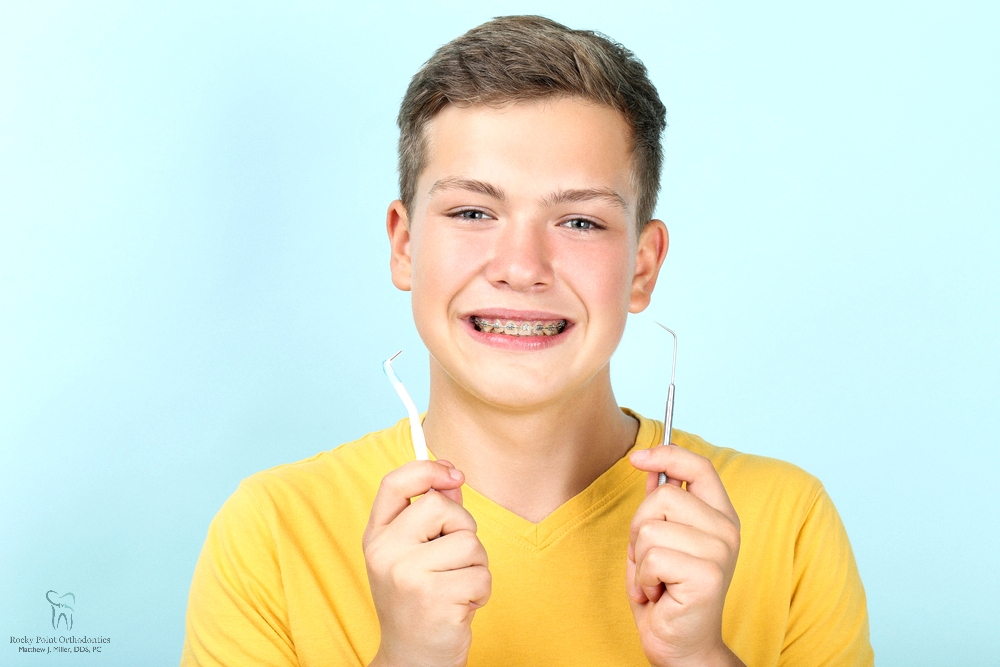
Why Rocky Point Orthodontics Stresses Flossing
At Rocky Point Orthodontics, we focus on helping you achieve a healthy, clean smile. Maintaining excellent oral hygiene habits during braces treatment not only protects your teeth but also ensures your treatment stays on schedule. Here’s how we help:
- Expert Tips and Demonstrations: Learn how to floss properly with hands-on guidance from our team.
- Flossing Tools: Get access to threaders, proxabrushes, and more to simplify your routine.
- Ongoing Care: We provide personalized advice to tackle issues such as plaque buildup, gum disease, or cleaning hard-to-reach areas.
Make Flossing with Braces Easy
Flossing may seem tricky at first, but it gets easier with the right tools and some practice. If you need help, Rocky Point Orthodontics is here to assist you. Contact our office in Rocky Point, NY, for personalized advice, demonstrations, or a starter kit to kickstart your oral hygiene routine. Schedule your appointment today and get yourself a healthy smile!
About The Authors
Dr. Matthew Miller – Orthodontist in Rocky Point, NY
Dr. Kenner Misner – Orthodontist in Tulsa, OK
Frequently Asked Questions
How can I tell if I’m flossing correctly?
Use about 18 inches of floss and wrap it around your middle fingers. Gently slide it between your teeth and curve it into a C-shape around each one. Move it up and down along the tooth and under the gum line, don’t just snap it in or move it side to side. If you hear a small squeak, that means it’s working! Your gums might bleed a bit at first, but that will stop once you floss regularly. Afterward, your teeth should feel smooth and clean.
What is the best time to floss?
The best time to floss is whenever it fits your daily routine, morning or night, both work! Still, flossing before bed is ideal since it removes all the food and plaque that builds up during the day. That way, your mouth stays clean overnight. The key is to do it once a day, every day.
How often are you supposed to floss with braces?
When you have braces, flossing once a day is a must. Food and plaque can get stuck around the brackets and wires easily, which can cause stains, gum problems, or cavities. It might take extra time, but using floss threaders or interdental brushes can help a lot. With daily flossing, you’ll keep your teeth and gums healthy.